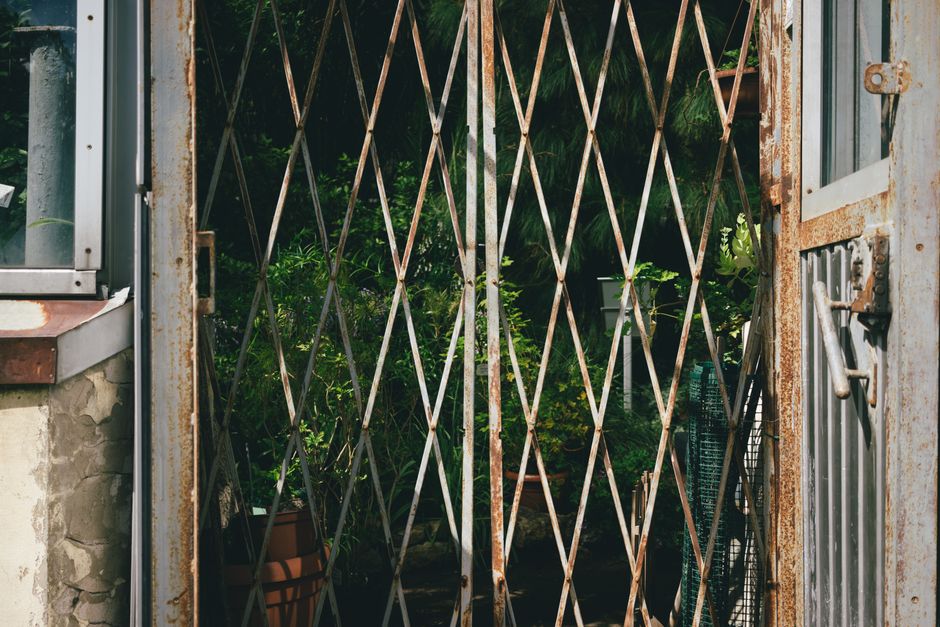
Access issues for gardeners in Herne Hill mews
Herne Hill mews gardens can be lovely to work in, but let's face it, they often come with awkward access. Narrow side passages, shared entrances, low archways, locked gates, parking restrictions, and the occasional need to carry tools through a tight corridor can turn a simple maintenance visit into a logistical puzzle. If you are dealing with Access issues for gardeners in Herne Hill mews, the real question is not just "can the work be done?" but "how can it be done safely, neatly, and without causing stress to anyone on the street or in the building?"
This guide breaks down the common access problems gardeners face in mews properties, why they matter, how professionals plan around them, and what you can do to make jobs smoother from the start. It also covers practical checklists, best-practice advice, and the sort of small details that save time on the day. Truth be told, it is usually the tiny things-where the mower is parked, who has the gate key, whether the compost bags can pass through a doorway-that make the biggest difference.
For readers who want a broader view of the kinds of work that often get affected by access, the site's services overview is a useful starting point, while longer-term upkeep options such as garden maintenance often need access planning built into the quote from day one.
Table of Contents
- Why access issues in Herne Hill mews matter
- How access planning works in practice
- Key benefits and practical advantages
- Who this is for and when it makes sense
- Step-by-step guidance
- Expert tips for better results
- Common mistakes to avoid
- Tools, resources and recommendations
- Law, compliance, standards and best practice
- Options, methods or comparison table
- Case study or real-world example
- Practical checklist
- Conclusion
- Frequently asked questions
Why Access issues for gardeners in Herne Hill mews Matters
Access sounds like a small detail, until it is not. In mews settings, the physical route into the garden can shape the whole job: how many tools are brought in, which equipment can be used, how long clearance takes, and whether a team can work without disturbing neighbours. A gardener might be brilliant at pruning, lawn care, or tidy border work, but if the access route is too tight for the equipment, the job needs adapting before a single blade touches the hedge.
Herne Hill mews properties often have a particular mix of features: compact layouts, shared entrances, back passages, residents' parking pressure, and an expectation that work will be quiet and unobtrusive. That means access planning is not an admin afterthought. It is part of the service. A job that looks simple from the outside can become awkward if there is nowhere to unload compost, no place to turn a wheelbarrow, or no easy route for green waste to leave the property. You can almost hear the shuffle of buckets and the clink of tools before the day begins.
Good access management also protects the garden itself. Tight movement routes can damage paving, lawn edges, climbing plants, and newly installed timber. If a gardener is asked to fit through a narrow side gate with a mower that is too wide, something will give, and usually it is not the mower. That is why experienced teams tend to ask access questions early, not after they arrive with the van ticking over at the kerb.
Expert summary: In mews gardens, access is not just about entry. It affects safety, time, noise, equipment choice, waste removal, neighbour relations, and the overall quality of the finished work.
How Access issues for gardeners in Herne Hill mews Works
Dealing with access issues usually starts with a simple assessment. A gardener or landscaping team will look at how they get from the street to the work area, what they can carry, what they can wheel, and what they need permission to use. The best approach is often a mix of planning and compromise, which sounds dull, but it works.
Typical access checks include:
- Gate width and height
- Steps, slopes, or uneven paving
- Whether the route is shared with neighbours
- Parking or unloading restrictions near the property
- Locations of water taps, electricity points, and waste bins
- Time-of-day rules for noise or disturbance
- Security arrangements for keys, codes, or supervised entry
Once these are known, the work can be shaped around the route rather than forced through it. For example, a large-scale clearance may be broken into smaller loads. A lawn visit may use lighter equipment rather than a heavy petrol mower. Pruning or hedge work may be staged so cuttings are bagged and removed more efficiently. In many cases, that is exactly how a professional keeps the job tidy and avoids frustration.
There is also the matter of return journeys. If green waste has to be taken out through the same narrow passage it came in through, the team needs a plan for avoiding repeated trips, spillage, and mess. Nobody wants soil dragged across a shared courtyard at 4:30 on a damp afternoon. Nobody. That is the kind of thing people remember.
For more on the types of work that often require careful movement and site handling, the pages on garden clearance, lawn mowing, and hedge trimming are useful companions to this topic.
Key Benefits and Practical Advantages
When access is thought through properly, everyone benefits. It is not just about making the gardener's day easier, though that matters. It is also about protecting the property, keeping the neighbourhood on side, and making the result look better.
- Less disruption: Fewer trips, less noise, and less chance of blocking shared spaces.
- Better results: The right equipment can be chosen for the route, not just for the task.
- Reduced risk of damage: Narrow paths, painted surfaces, and paving are less likely to be scuffed or chipped.
- More accurate pricing: Access complexity can be reflected in a quote before work starts.
- Cleaner waste handling: Green waste can be bagged, staged, and removed in a controlled way.
- Happier neighbours: A tidy, calm visit is far less likely to cause complaints or awkward conversations.
There is also a time-saving angle. A job that is planned around access from the beginning usually runs more smoothly. That means less standing around wondering where to put the trimmings, where the mower will fit, or whether the side gate can stay open safely. Small thing? Maybe. But those small things add up fast.
Who This Is For and When It Makes Sense
This topic matters to a few different groups. If you are a homeowner in a mews property, you may be trying to get regular maintenance done without creating friction with neighbours. If you are a landlord or managing agent, you may need work completed efficiently and with clear responsibility for access arrangements. If you are a gardener or landscaper, you will want to know what kind of site you are dealing with before you commit to a schedule.
It makes particular sense when the garden is:
- behind a house with only side or rear access
- reachable through a shared passage or courtyard
- entered by a locked gate or coded door
- set below street level or up steps
- too tight for large equipment or bulky waste bags
- part of a property with strict neighbour or building rules
It also matters when the work is more than a quick tidy-up. A one-off visit might be manageable with hand tools and a few bags. A bigger project, such as border reshaping, clearance, or landscaping, needs a more deliberate access plan. In our experience, the people who mention access early tend to have calmer, better-organised visits. Funny how that works.
Step-by-Step Guidance
If you are trying to solve access issues in a Herne Hill mews setting, this step-by-step approach is usually the cleanest way forward.
- Map the route. Walk the full path from street to garden and note gates, stairs, corners, and pinch points.
- Measure the narrow bits. Check width, height, and turning space, especially for wheelbarrows, mowers, and bagged waste.
- Identify what must move in and out. Tools, materials, green waste, compost, timber, paving, and water access all count.
- Decide whether the job needs lighter equipment. A smaller mower, hand tools, or modular materials may be more realistic.
- Agree who provides access. Make sure keys, codes, or supervised entry are arranged before arrival.
- Plan waste handling. Decide where cuttings will be stacked, how bags will be carried out, and whether anything needs to be stored temporarily.
- Protect surfaces and boundaries. Use boards, mats, or careful staging where foot traffic is tight or surfaces are delicate.
- Confirm timing. Choose a slot that avoids neighbour inconvenience and allows enough time to work without rushing.
- Review on the day. Conditions change. Wet paving, parked vehicles, or a locked internal gate can alter the plan at the last minute.
A simple pre-visit message can save a lot of grief. Even a quick note with a photo of the route, plus a comment like "the gate is narrow but passable" or "there are three steps and a turn to the left," helps enormously. It is one of those small admin habits that pays back immediately.
Expert Tips for Better Results
Here is the practical side of things, the bit that seasoned gardeners tend to learn the hard way.
Tip 1: Use the smallest sensible kit. Bigger is not always better in mews spaces. A compact mower or cordless hand tools can often do a neater job with less fuss than larger machines.
Tip 2: Stage waste in smaller loads. A huge pile of cuttings near a narrow gate is asking for trouble. Smaller bundles are easier to move and less likely to crush planting.
Tip 3: Protect shared surfaces before you need to. Once gravel spills into a passage or soil is trodden across paving, you are already cleaning up rather than working.
Tip 4: Keep neighbours in mind. A quick warning about noise, parking, or a temporary open gate can prevent a grumpy exchange later. And nobody enjoys that on a Thursday morning.
Tip 5: Think in reverse. A route that works for coming in may be awkward for leaving. Waste bags, tools, and damp clippings are often heavier on the way out.
Tip 6: Match the task to the route. If access is extremely tight, it may be better to split the work across several visits rather than forcing one oversized session.
For more specialised work that often needs careful access handling, see tree lopping and removal for larger garden structures, and landscaping or landscape gardening where materials and equipment movement become part of the design conversation.
Common Mistakes to Avoid
Most access problems are avoidable, but a few mistakes keep cropping up.
- Assuming the gate will be fine: "It looked okay on the phone" is not a plan.
- Not checking the return route: What goes in must come out, usually in a messier form.
- Ignoring parking restrictions: If the van cannot unload nearby, the job may take longer than expected.
- Leaving access to chance: Key handovers and door codes need to be settled in advance.
- Choosing equipment first and site later: The route should influence the kit, not the other way around.
- Overfilling waste bags: Heavy bags are awkward in narrow spaces and can cause avoidable strain.
- Forgetting shared-use etiquette: Shared courtyards and side passages need a little extra care, especially if other residents are coming and going.
One especially common issue is underestimating how long awkward access adds to a job. A visit that should take two hours can stretch because every bag has to be carried carefully, every corner navigated slowly, and every tool placed somewhere safe. Not dramatic, just real life.
Tools, Resources and Recommendations
You do not need a huge equipment list to manage mews access well. In fact, simplicity often works best. The right tools are the ones that reduce carrying, reduce noise, and reduce mess.
| Access challenge | Useful approach | Why it helps |
|---|---|---|
| Narrow gate | Compact hand tools and narrow-wheeled transport | Improves movement without forcing equipment through the gap |
| Shared passage | Boards, careful staging, and bagged waste | Protects surfaces and keeps routes clear |
| Limited parking | Pre-booked arrival window and minimal unloading | Reduces delays and avoids blocked access |
| Steps or slopes | Smaller loads, lighter containers, repeated short runs | Safer for the crew and less messy for the property |
| Restricted noise tolerance | Manual or low-noise kit where possible | Better for neighbours and easier for early or mid-morning visits |
Useful supporting pages on the site include garden maintenance for routine visits, garden clearance for bulkier jobs, and recycling and sustainability if the work is likely to produce a lot of green waste. Those pages sit nicely alongside access planning because waste, route choice, and cleanup are often linked.
If you want to understand the company background and approach to service, the about us page is also helpful. It gives a sense of how the team works and what sort of standards are being aimed for.
Law, Compliance, Standards, or Best Practice
Access issues in mews gardens are not usually a highly regulated topic in themselves, but they do overlap with practical duties around safety, neighbour consideration, and responsible work practices. That is enough to warrant care. In the UK, a professional gardening or landscaping visit should be planned so that people are not put at unnecessary risk and property is not damaged through avoidable handling or movement.
Best practice usually includes:
- clear communication before arrival
- safe manual handling of tools and waste
- appropriate protection of paths, doors, and shared surfaces
- careful storage of equipment where space is limited
- respect for agreed access times and neighbour sensitivities
- reasonable planning for waste removal and site tidiness
If a property has shared access, leasehold rules, or building management arrangements, those may affect how and when work is carried out. It is sensible to check before the visit rather than assuming it will be fine. The same applies to safety expectations. A reputable team will usually have its own health and safety policy and insurance and safety information, which is exactly the kind of reassurance a customer should want.
For readers who care about service standards and permissions, the site's accessibility statement, terms and conditions, and complaints procedure are all useful for understanding how a professional service is structured. Also, if you are comparing quotes, the pricing and quotes page is worth a look, because access complexity can sometimes affect the final price or the time needed on site.
Options, Methods, or Comparison Table
There is no single right way to deal with tricky access. The best method depends on the garden, the route, and the work required. Here is a practical comparison.
| Method | Best for | Pros | Trade-offs |
|---|---|---|---|
| Full equipment access | Wider gates, direct garden entry | Fast, efficient, suitable for larger jobs | Not always possible in mews properties |
| Lightweight hand-tool approach | Narrow passages and shared entrances | Quiet, flexible, low risk of damage | Slower for larger clearances |
| Split-visit work plan | Complex jobs with limited space | Easier waste handling, more control | May take longer overall |
| Staged waste removal | Projects producing a lot of cuttings | Keeps routes clear, reduces clutter | Needs careful organisation |
| Off-site material delivery | Landscaping and planting projects | Reduces on-site congestion | Requires good planning and timing |
For some clients, a split-visit plan is the smartest choice. For others, light kit and a tidy route are enough. The trick is not choosing the fanciest method. It is choosing the one that fits the space without overcomplicating the day.
Case Study or Real-World Example
A fairly typical Herne Hill mews job might start with a back garden reached through a side passage just wide enough for a wheelbarrow if nobody breathes too deeply. The garden itself is not huge, but it has a dense hedge, some tired lawn areas, and a stack of clippings waiting to be removed. The owner wants the work done in one morning, before the weather turns and before neighbours start heading out.
On inspection, the access route includes a narrow gate, a small step down, and a shared section of paving used by two households. Rather than trying to bring in bulky kit, the gardener uses compact tools, bags waste in smaller loads, and places a protective board over the most vulnerable surface. The hedge is cut in stages so clippings do not pile up. Waste is carried out steadily, not all at once. The job takes a little longer than a standard suburban visit, but the result is neat, calm, and without awkward mess at the gate.
The most telling detail? There was no big drama. Just a few small decisions made early. That is usually how access issues are solved. Not with heroics. With planning.
Practical Checklist
Use this before booking or starting work in a mews garden.
- Confirm the exact access route from street to garden
- Measure narrow points, gates, and steps
- Check whether the route is shared or private
- Agree who will provide keys, codes, or supervision
- Ask what equipment can realistically fit through the access point
- Identify where green waste will be stacked and removed
- Make sure parking or unloading is possible nearby
- Protect delicate paving, paintwork, and planted borders
- Set a sensible time window to avoid neighbour disruption
- Review the plan if the weather, gate, or site conditions change
If you are unsure about access, a quick conversation beforehand is usually enough to avoid most problems. That small bit of effort can save an afternoon of frustration later. And honestly, it is a much nicer way to start a job.
Conclusion
Access issues for gardeners in Herne Hill mews are common, but they are rarely impossible. The difference between a stressful visit and a smooth one usually comes down to planning, realistic equipment choices, clear communication, and respect for the property's layout. Narrow passages, shared entrances, and tricky parking do not have to derail the work; they just need to be factored in properly.
For homeowners, that means being upfront about the route and any restrictions. For gardeners, it means asking the right questions and adapting the job to the space. For everyone involved, it means less hassle, less damage, and a better finish. Simple, really. Not always easy, but simple.
If you are looking to organise a visit, compare options, or talk through access before a job begins, a clear service conversation is the best next step.
Get a free quote today and see how much you can save.
And if you are still weighing things up, take your time. A well-planned garden job feels calmer from the start, and that calm tends to show in the result.
Frequently Asked Questions
What are the most common access issues for gardeners in Herne Hill mews?
The most common issues are narrow gates, shared passages, limited parking, steps, low archways, and restricted room for waste removal. In mews properties, even a small obstacle can change how a job is set up.
Can a gardener work in a mews garden with only side access?
Yes, often they can. The job may just need lighter tools, smaller waste loads, or a split approach. The key is whether the route is safe and practical for the equipment needed.
How should I prepare my property before the gardener arrives?
Clear the access route, unlock gates, confirm any codes, and make sure parked vehicles are not blocking the path. If possible, share a quick photo of the route beforehand.
Does awkward access make garden work more expensive?
It can, depending on the extra time, labour, and equipment changes required. The fairest quotes usually reflect the actual site conditions rather than a one-size-fits-all rate.
What equipment is best for tight mews access?
Compact hand tools, cordless equipment, smaller mowers, and lighter waste containers tend to work best. Bigger machines are not always an advantage in confined spaces.
Can waste still be removed easily from a garden with narrow access?
Usually yes, but it may need more trips and better staging. Bagging waste in smaller loads often works better than trying to move large, awkward piles in one go.
What if the access gate is too narrow for standard equipment?
Then the work needs adapting. That may mean manual tools, smaller machinery, or, in some cases, a different method entirely. A good gardener will say so honestly rather than forcing it.
Should neighbours be warned before garden work starts?
If the work is likely to use shared access, create noise, or involve repeated trips through a common area, then yes, a little advance warning is courteous and usually helpful.
Is access planning important for one-off jobs too?
Definitely. A one-off clearance or pruning session can be even more affected by access than routine maintenance, because the waste volume is often higher.
How do I know if a gardening company has thought about access properly?
They will ask practical questions early, request photos or measurements if needed, and explain any limitations clearly. If they jump straight to price without discussing the route, that is not a great sign.
Can access issues affect landscaping projects?
Yes, quite a lot. Landscaping often involves heavier materials, larger loads, and more movement in and out of the property. In tight mews settings, logistics can shape the design as much as the planting plan.
Where can I find more information about services and company standards?
You can start with the site's services overview, then look at the pages on pricing and quotes, insurance and safety, and about us for a fuller picture.